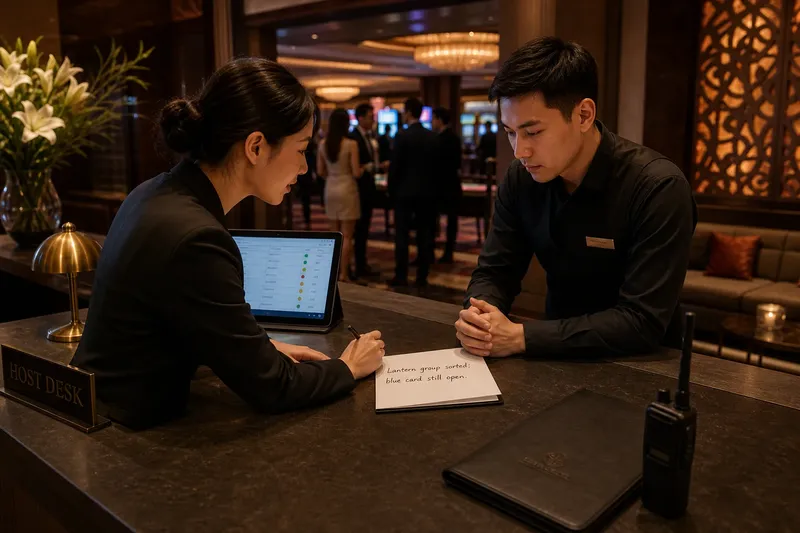
A Casino Evening Is Not a Test of Endurance
A casino evening is not a test of endurance: choose a clear endpoint, protect your budget and leave with a plan that still feels like yours.
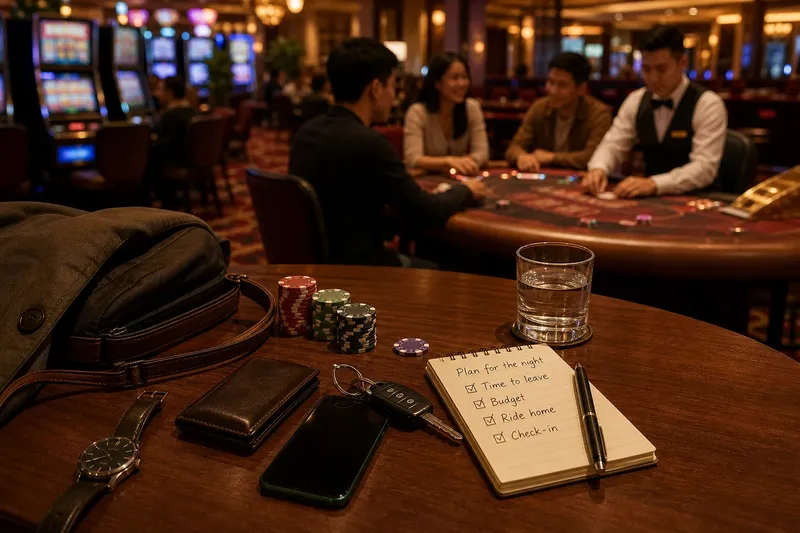
You meant to leave after one more round, but the room is still bright, your friends are staying, and the ride home feels like a decision for later. A casino evening is not a test of endurance; its value does not rise simply because you remain longer. A chosen endpoint gives the outing a shape, even when the night does not unfold as expected.
Why does leaving start to feel like losing?
Casinos and casino-style venues are built around continuous activity: another game, another conversation, another chance to change the evening’s direction. That flow can make leaving feel like interrupting something unfinished. The feeling is not evidence that you owe the room more time.
Time pressure often comes from an imagined comparison: perhaps the person beside you is having a better night, or perhaps the evening should last until everyone is ready to go. Those assumptions blur the difference between a pleasant outing and a long one. Decide what would make the evening worthwhile before entering, then use that standard rather than the room’s pace.
What if the group wants to stay longer?
A shared outing does not require everyone to share the same endpoint. Some people may want to keep playing or talking; another may have an early shift, a long trip home, or simply enough for one night. Treat those as different plans, not competing judgments.
Say you and two friends arrive in Bảo Lộc after work, and you decide in advance to leave when the late bus you need becomes the next practical option. When one friend proposes another round, you can say, “I’m heading out now; enjoy the rest, and I’ll message when I’m on my way.” The observable result is a clear departure plan while your friends retain their choice to stay.
If you would rather leave together, agree on a check-in point before the evening begins. A message at a set time, or a quick conversation during a natural pause, gives everyone a chance to say whether they are ready to go. Avoid turning that check-in into a vote on who is having the most fun.
Why does “one more” keep moving?
“One more” sounds like a small extension, but it has no natural stopping point unless you give it one. The same is true of staying until a game changes direction or until a friend finishes an open-ended activity. When the endpoint depends on something outside your control, it can keep shifting.
Try replacing an open-ended condition with a concrete one. Choose a departure time, a specific last activity, or the moment your planned ride arrives. If you set a budget for gaming, keep it separate from your transport money and decide beforehand that reaching the limit means stopping. Do not treat an urge to recover losses as a reason to extend the session.
For casino gaming, only use money you can afford to lose, and pause if the outing is causing distress or making it hard to stop. If gambling is affecting your finances or relationships, consider speaking with a qualified support professional or a local service familiar with gambling concerns.
How can you leave without spoiling the mood?
Leaving can feel awkward when the group is mid-conversation or when staff are still providing service. A brief, direct explanation is usually easier than a long defense. Thank the people you are with, state your plan, and avoid implying that anyone else should follow.
- Tell the group your endpoint early, before the evening gathers momentum.
- Keep your coat, bag, and travel plan easy to reach rather than scattered across the venue.
- Use a short phrase such as, “I’m calling it here; I’m glad we came.”
- If you are splitting up, confirm how you will reconnect or let others know you got home.
- Do not let a request for one more round replace the decision you already made.
Service workers may be managing several guests at once, so a courteous, clear request helps them understand whether you are closing out, waiting for someone, or simply taking a pause. You do not need to explain private reasons for leaving. At the same time, staff are not responsible for negotiating your endpoint for you.
What if the evening feels disappointing?
A quiet or unlucky stretch can create pressure to stay until the night feels “worth it.” That is a sunk-cost trap: the time or money already spent cannot be recovered by adding more time. Ask instead whether continuing is likely to fit the reason you came, your remaining budget, and your energy.
If the answer is no, leaving is not an admission that the outing failed. You may have enjoyed the company, tried a new venue, or learned that a shorter visit suits you better. If you are still uncertain, take a pause away from the gaming area, check the time and travel options, and make a fresh decision without placing another bet.
What should you decide before you go?
How do I choose a reasonable endpoint?
Choose a limit that fits your next obligation, travel home, energy, and spending plan. Make it an event you control, such as a departure time, rather than a hoped-for win or a change in someone else’s mood.
Should I stay if my friends are still playing?
Not unless staying still suits your own plan. You can leave politely, arrange a separate ride, or agree on a check-in; the group’s decision need not become yours.
What if I want to keep playing after reaching my limit?
Step away from the game area and use the break to reconsider your original reason for stopping. Keep transport money separate, and ask a trusted companion for support if the urge feels difficult to manage.
Does a shorter visit mean the night was wasted?
No. An outing can be worthwhile because of the people, atmosphere, or simple change of routine, even if you leave before others do. Judge it by what you chose to get from it, not by how long you remained.
How do you know the evening ended well?
A good endpoint is one you can recognize without bargaining with yourself afterward. Maybe you left with your travel plan intact, stayed within the amount you had set aside, or made time for the conversation you came to have. Those are practical signs that the evening followed your priorities.
The useful measure of a casino evening is not endurance but fit: whether its length, cost, and pace matched the night you wanted. Choose that measure before the room’s steady invitations begin, and you can leave when the outing is complete for you—not when the venue runs out of ways to continue.